Dehumanization
History shows that dehumanization rarely begins with violence. It begins with language.
In October 2024 a Lebanese writer named Lina Mounzer wrote, “ask any Arab what the most painful realization of the last year has been and it is this: that we have discovered the extent of our dehumanization to such a degree that it’s impossible to function in the world in the same way.”
‘colonization of the mind,’
Fanon argued that colonialism is not merely a physical or political domination, but a profound psychological one. It involves what he termed the "colonization of the mind," This is unequivocally true. He spoke extensively of the ‘colonization of the mind,’ a process where the colonizer imposes not just practical systems of control but also, through language, imagery, and branding, manufactures a worldview that reshapes how the colonized person perceives themselves. It is a rebranding of a population’s sense of self and identity. The colonized begin to see themselves through the eyes of the colonizer, adopting their prejudices and devaluing their own culture and identity.
Zionism thrives on ‘colonization of the mind,’ so they can get away with brutalizing Arabs and Muslims. CAIR’s latest civil rights report revealed that complaints about anti-Muslim and anti-Arab incidents reached 8,683 in 2025, the highest number since data collection began in 1996. But none of this is surprising. After decades of systematic dehumanization through Western media and culture, most Westerners have been primed to see Arab and Muslim people as inherently threatening, backwards, and disposable.
How did we get to a point where an entire region of people could be so easily written off as less than human.
“Orientalism is the practice by which Western cultures perceive and portray Eastern societies as exotic, backward, and uncivilized, often to justify Western dominance.” -Palestinian scholar Edward Said


The original Aladdin story, titled The Story of ‘Ala-ed-Din and the Wonderful Lamp, comes from One Thousand and One Nights, a compilation of folktales from the Arab and Persian worlds, compiled in Arabic during the Islamic Golden Age. Disney’s 1992 adaptation transformed the story into a Westernized fantasy that blends elements of Middle Eastern and South Asian cultures.
Disney’s Aladdin depicts Arabs as exotic, irrational, and inferior compared to Western civilization. It depicted the Middle East as “barbaric”, “savage”. Characters are shaped through stereotypical lenses that reinforce Western cultural dominance. They are portrayed as grotesque, with big noses and sinister eyes. They are violent: willing to chop off the hand of a woman who steals an apple for a hungry child.
The original opening song lyrics were:
“Oh I come from a land, from a faraway place
Where the caravan camels roam
Where they cut off your ear
If they don’t like your face
It’s barbaric but hey it’s home”
The American Arab Anti-Discrimination Committee protested this back in 1992. And to Disney’s credit, they changed the line for the VHS release and all subsequent releases, but they kept the word barbaric. Disney fought to keep that word in.
This is a 100% pure Disney invention. Right out of the gate, it’s incredibly offensive. It’s pulling directly from page one of the Orientalist playbook that Arabs are just inherently fundamentally barbarians.
“Where the children of Arab dwell in happy ignorance that civilization has passed them by.” - from The Sheikh (1921)
Films like Rules of Engagement (2000) a movie that takes place in Yemen, an Arab country of nearly 43 million people. For decades, U.S. policy in Yemen has been shaped by narrowly defined U.S. “counter-terrorism” interests, not about the well-being of Yemenis.
In Rules of Engagement Yemen is portrayed as a land of barbaric anti-American fanatics where even children are killers. On a visit to Yemen, the character played by Tommy Lee Jones finds cassette tapes that “call on every Muslim who believes in God...to kill Americans and their allies, both civilian and the military.” and insist that “to kill Americans is a duty”. The end credits, reveal that the U.S. Department of Defense and the U.S. Marine Corps cooperated with the producers.
Paramount Vice President Blaise Noto defends the racist images of Rules of Engagement saying, “It is not anti-Arabic or anti-Yemenite but rather anti-extremist.”
Pentagon spokesman Kenneth Bacon said: “They [Paramount] have a right to make the movies any way they want to make them. We pay attention to how they portray the military.” Bacon’s words suggest that as long as the film’s marines look good, it’s perfectly permissible to show them gunning down Arabs.
The industry has churned out many films lambasting Arabs, and in many instances, the U.S. military has cooperated. Some other films showing Americans killing Arabs—“True Lies” (1994), “Executive Decision” (1996), “Freedom Strike” (1998). and “The Siege” (1998). The list goes on.
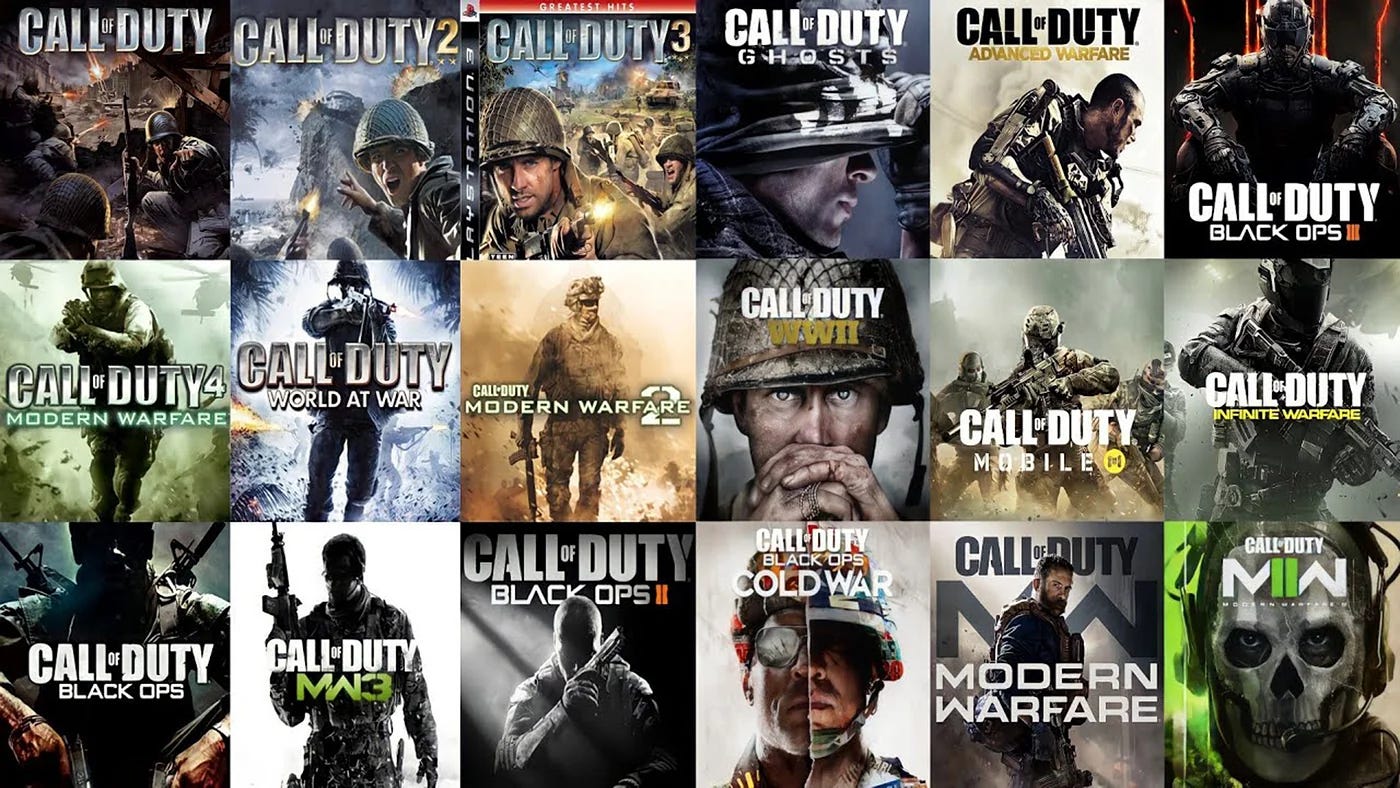
Call of Duty a controversial game series, which has, like others in the genre, historically dehumanized Muslim and Arab people while leaning into its connections with and glorification of the U.S. military. One of the main villains in Modern Warfare 4 game (released in 2007) is Khaled Al-Asad the commander of OpFor a terrorist organization. Al-Asad, who is openly anti-Western, assassinates the Saudi Arabian president Al-Fulani and OpFor troops rounded up and executed Al-Fulani's supporters, allowing OpFor to take over the “capital city” in a coup d’etat. It’s never clear where OpFor is based, or if the organization has official ties to a specific country. It’s just clear that they’re bad. Vaguely Arab (but clearly evil) antagonists. And that’s just one game in the series where the Arab world is reduced to a playground of war, wastelands of rubble and sand.
Even the media dehumanizes us.
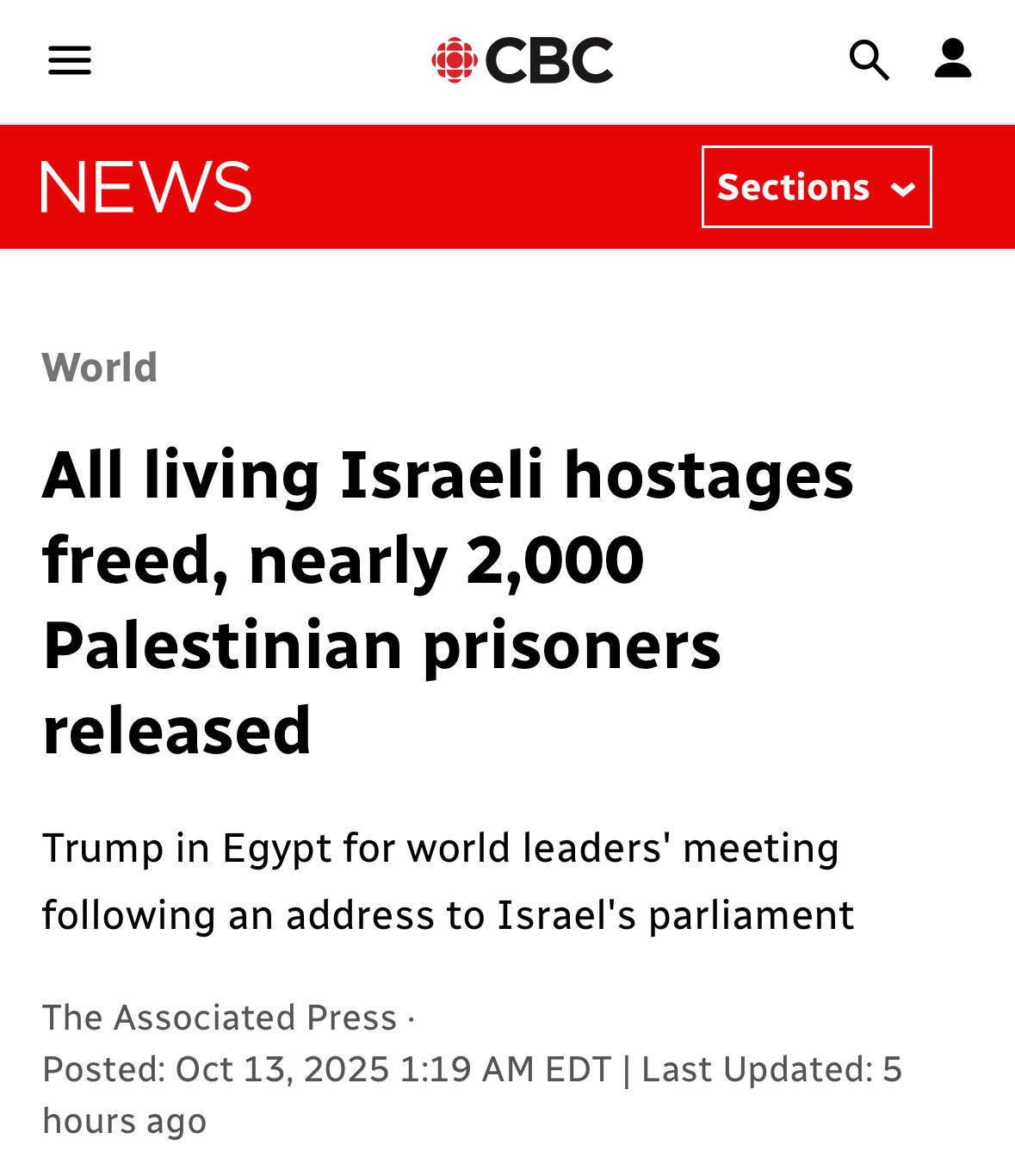
Israelis held by Hamas are called “hostages” while Palestinians held captive by Israel are called “prisoners”. Arab children are called Men and Women while IOF soldiers are Children or Teens. Arabs “die” but Jews are “killed”.
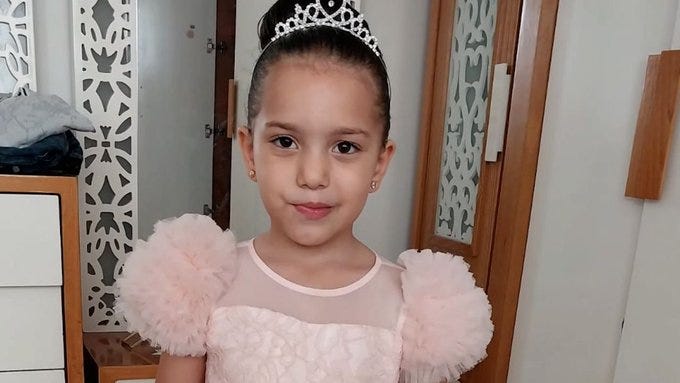
CNN once referred to 6 year old Hind Rajab a “woman”
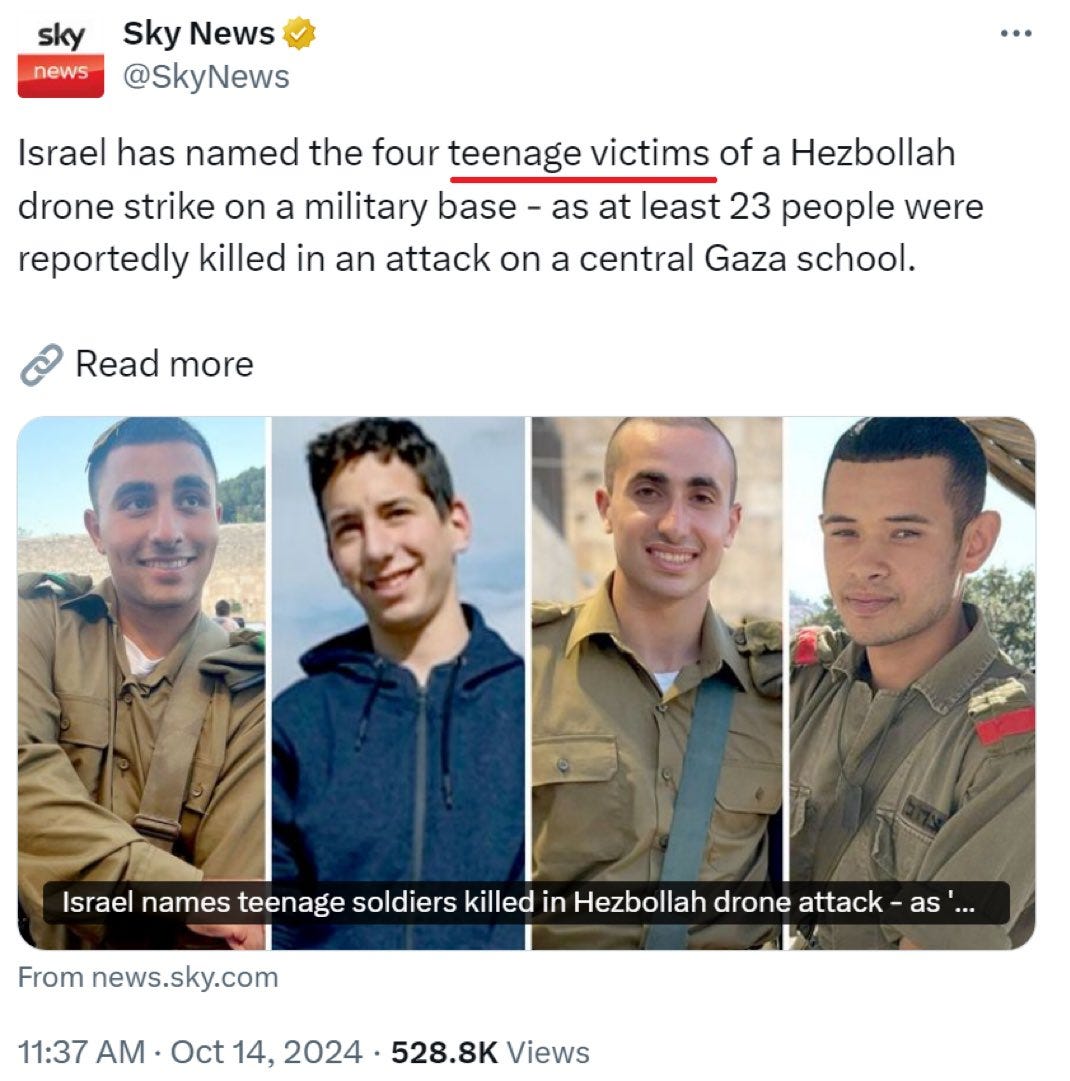
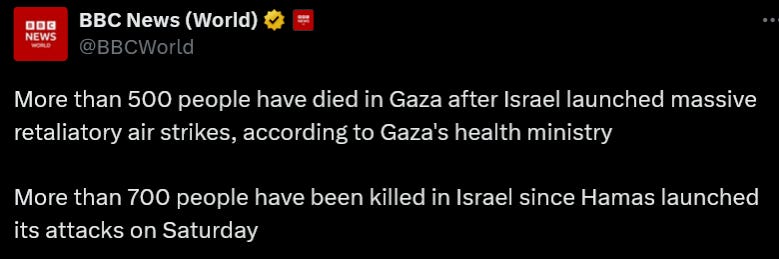
A Sky News reporter, in addition to trivializing the IOF’s killing of children by insisting on using adjectives such as “accidental” and characterizing without proof the killing as “a stray bullet found its way into the van ahead”, continued to describe the killing of a Palestinian child in Gaza as “a three- or four-year-old young lady”
BBC World News described the victims of an Israeli raid on the south Lebanese town of Al-Bissarieh as “a two-year old girl and a sixteen-year-old woman”.
These examples illustrate what Palestinian academic Nadera Shalhoub-Kevorkian has called “unchilding”. She coined the term to expose the dehumanization that accompanies violence against children in a colonial context. Arab and Muslim children are stripped of their childhood in order to justify the brutality that is inflicted upon them.
“My humanity is bound up in yours, for we can only be human together.”
— Desmond Tutu
We rarely see depictions of Arab and Muslim people in their full humanity: laughing, smiling, being close with family. Instead, anything "different" about Middle Eastern cultures gets mocked, demonized, and used as evidence of Arab "backwardness." Even when there are legitimate criticisms to be made about specific societies, the rationalization of these issues provides justification for the impulse to invade and use military force to impose Western will.
Again and again, dehumanization begins with the ‘colonization of the mind’. Across continents and centuries, the pattern has remained strikingly consistent. First, people are named as different, then as dangerous, and finally as less than human. Once that final step is accepted, injustice no longer feels shocking; it now seems acceptable.
Take virtually any genocide, and you will find that the perpetrators characterize their victims as subhuman. The Armenian genocide, The Holocaust, The Rwanda genocide, The Tamil genocide, are just a few examples of this.
As history shows again and again, dehumanization is not a side effect of violence. It is often its opening act, and the battle for human dignity is often fought first in words and language. The names we choose for others impact how we see them, and how we see them defines how we treat them.
Fanon believed liberation was not simply a change in who holds power, but rather was a *process* that demanded the creation of "new men". This process involves a conscious rejection of the internalized inferiority imposed by the colonizer and a reclaiming of one's own identity and agency. A new self-conception, freed from the imposition of the oppressors’ worldview.
Humanization would look like not assuming I’m a terrorist or terrorist supporter just because I’m Muslim. Not calling me a murderer, a rag-head, a backwards person who should be thankful that she’s even alive because I, and everyone of my faith deserves to die and they hope a nuke will get it done already.
Humanization would be judging the person on the crime and not the people. If any “Muslim” anywhere commits a crime the media and people lash out at us and say “see they are all terrorists” they don’t see that we condemn them just as much as they do. Meanwhile, if any non-Arab or non- Muslim commits a crime, it’s an “isolated incident”
As a Lebanese, I am still focused on the fight. I am still sitting in the space of the open wound of genocide. My survival, and that of my people, requires us to be actively engaged in exposing and tearing down systems of injustice and dehumanization.
